Turning a technical company into a recognizable brand.
Stone Ridge Technologies develops engineering software for highly specialized technical audiences. I led a company-wide rebrand and website redesign while also shaping the visual and interaction standards used across its digital products.
About
SRT had strong technology and deep subject-matter expertise, but its visual identity and digital presence didn’t communicate the same level of sophistication. The opportunity was to create a clearer, more credible brand without losing the technical character of the company.
My role
I led the work across identity, web, and digital experience—developing the new visual direction, designing the website, and directing a globally distributed development team as the new standards moved into production. The work ultimately extended beyond a rebrand into a more consistent way of presenting the company across marketing and product.
Giving complex technology a clearer point of view.
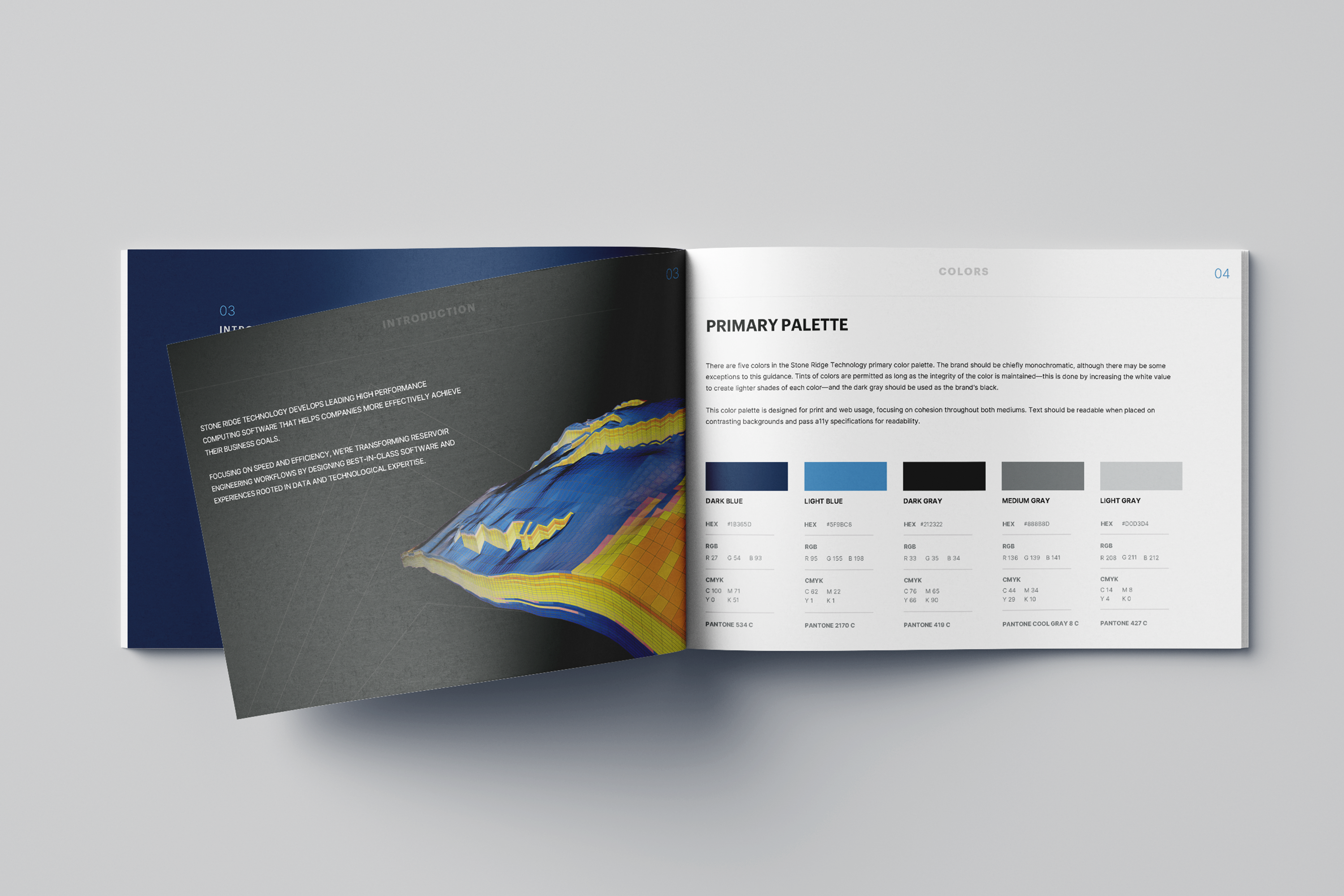
The rebrand started by reducing visual noise and creating a more disciplined identity around SRT’s engineering-focused personality. Rather than making the company feel like another generic enterprise software brand, the goal was to communicate technical depth with a visual system that felt confident, modern, and precise.
The resulting identity established a stronger foundation for everything that followed—from sales and marketing materials to the website and software products themselves.


Making the brand work beyond the logo.
The new website became the first major expression of the identity. I redesigned the experience around clearer hierarchy, stronger product storytelling, and a visual language that could make highly technical information easier to navigate without oversimplifying it.
The site became a more credible front door for the business and supported broader sales efforts, including work surrounding the close of a $25M account.


Extending the same standards into the software.
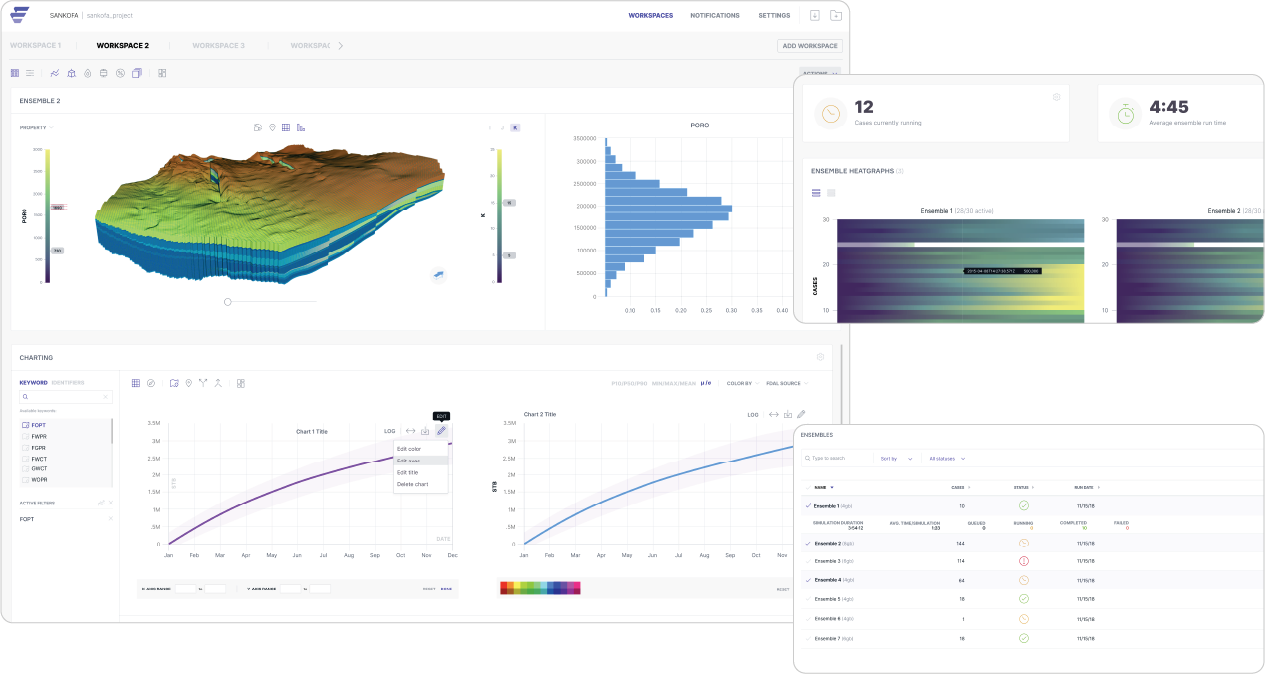
The work didn’t stop with marketing. I directed a globally distributed development team on visual quality, interaction standards, and implementation while establishing repeatable review and stakeholder-feedback practices across product and engineering.
That created a more consistent relationship between the company customers encountered on the website and the software they used afterward. Brand identity, interface design, and implementation began operating as parts of the same experience instead of separate efforts.

SRT became an early example of how I prefer to approach creative work: start with the identity, understand where the brand actually lives, and carry the same level of judgment through every customer-facing experience. What began as a rebrand ultimately connected marketing, web, product, and development around a clearer visual standard.